
An ETF (Exchange Traded Fund) is essentially a fund, typically structured as a mutual fund but traded in real time on a regulated market.
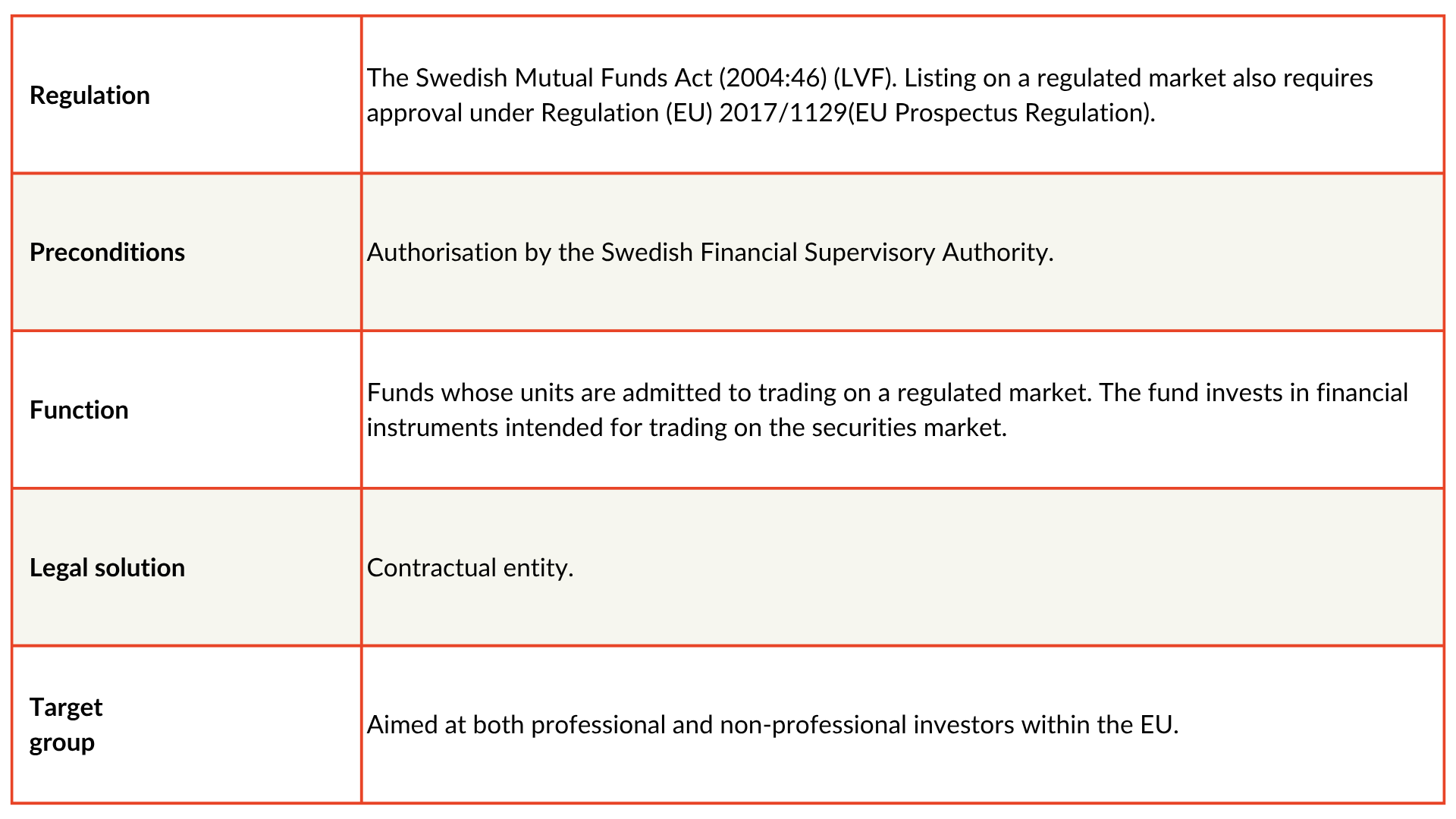
An exchange traded fund (ETF) is a mutual fund whose fund units are admitted to trading on a regulated market. The fund management company ensures liquidity and efficient price formation through market makers.
The mutual fund may be actively or passively managed. The majority of ETFs follow an index strategy, which requires clear rules on index replication, management of tracking error, and portfolio transparency. For actively managed ETFs, a clear approach to disclosure and communication of holdings is required, as daily portfolio transparency is often expected by the market.
The regulatory framework governing mutual funds also apply to ETFs, but the fund rules, prospectus, key investor information document, and marketing material must also contain ETF-specific information, including conditions for exchange trading and the creation and redemption of units via authorised participants.
The marketing of ETFs also requires specific adaptation – both to institutional and private investors – as distribution channels often differ from those of traditional mutual funds. Visibility on trading platforms and in index databases is key to reaching investors.
The Swedish Mutual Funds Act (2004:46)
Guidelines (ESMA 2014/294) Final Report on Revision of Guidelines ETFs and other UCITS issues